
Bash shell scripts in Linux are used in plaintext. Obfuscation allows you to hide a Bash script’s source code by compiling it into a binary. On Linux, you can use the shc tool to compile bash scripts. This tool can convert bash script code into C language and compile it. The output will be a binary file that can be run on almost any other Linux machine.
In this example, we’ll show how to compile a simple Bash script myscript.sh:
#!/bin/bash

echo "Hello, $1?"
Install the shc package (this generic shell script compiler requires gcc):
$ sudo apt install shc gcc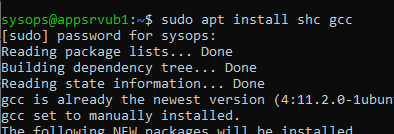
To compile your bash script into a binary file, run the command:
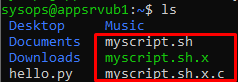
$ shc -rf myscript.shThe tool will create two files in the current directory:
- myscript.sh.x – binary file
- myscript.sh.x.c – source code C file
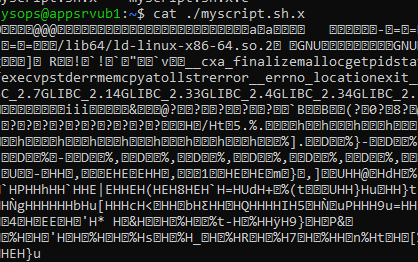
The binary contents are encrypted and the user won’t be able to view your shell script source code.
You can now run the binary:
$ ./myscript.sh.x SuperAdm
With shc, you can specify the program’s validity date. Once it expires, your binary cannot run:
$ shc -e 31/03/2024 -m "Script code has expired!" -rf myscript.sh./myscript.sh.x: has expired!

For your convenience, you can rename the resulting binary file:
$ mv myscript.sh.x testappAllow the file to run:
$ chmod a+x testapp
I never knew you could compile bash scripts into binaries until reading this – the shc tool seems perfect for protecting proprietary scripts. Funny how this makes me think of the best ai image generator protecting its proprietary algorithms too.
New characters bring fresh sounds and spooky designs to the mix. 5cac0315.